-
Tajikistan Seeks Iranian Oil Amid Russian Supply Concerns
Tajikistan has begun importing oil from Iran due to concerns about continuing Russian supplies. Ukraine's attacks on Russian refineries have led Moscow to impose export restrictions, impacting Central Asian nations. Despite Russia being the primary energy supplier, Tajikistan is diversifying to mitigate risks and sustain its economy, even if it means risking U.S. sanctions on Iran.
-
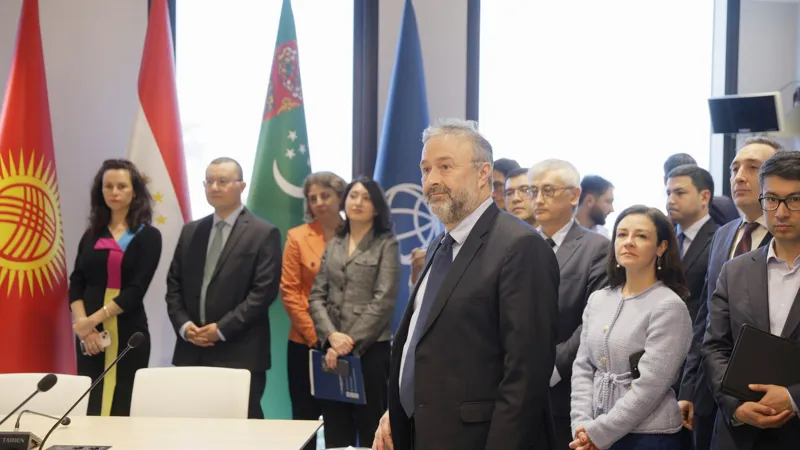
Central Asian Leaders Discuss AI's Role in Enabling Terrorism
Leaders from Central Asia met in Astana to discuss how artificial intelligence can be used by militant groups for terrorism. Topics included AI's use in spreading propaganda, disinformation, aiding recruitment, and hindering investigations. Uzbekistan proposed hosting a UN counter-terrorism office to enhance regional cooperation on detecting terrorist content and financing.
-
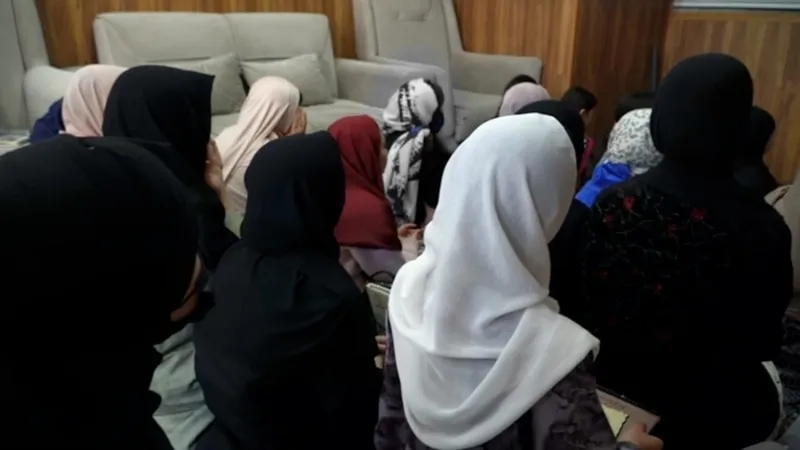
Afghan Girls Attend Secret Classes to Continue Education Under Taliban
Despite the Taliban's ban on girls attending school past sixth grade, some teachers are providing clandestine classes in private homes. Students risk discovery but are driven by a strong desire to continue learning and pursue their dreams, which outweighs the dangers involved in these secret educational efforts.
-
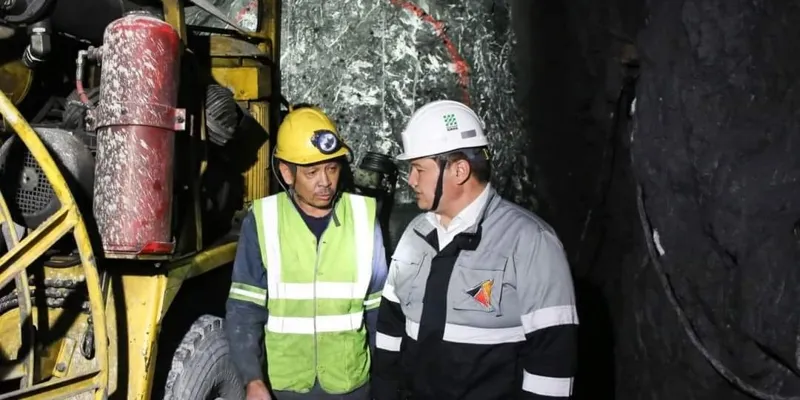
Kazakhstan's Mineral Processing Ambitions Threatened by Water Scarcity
Kazakhstan's plans to increase domestic mineral processing face significant challenges due to water scarcity. The Shalkiya lead-zinc mine requires substantial water, raising concerns about its impact on agriculture, which already operates under irrigation limits. Investors need assurances on water availability before committing to new projects.
-
Uzbekistan Offers to Host Regional UN Counterterrorism Office
Uzbek President Shavkat Mirziyoyev offered to host a Central Asian office of the United Nations Office of Counter-Terrorism at the Aqaba Process summit in Astana. The proposed office would help Central Asian countries establish channels for reporting terrorist content and detecting terrorist financing. The summit, co-hosted by Kazakhstan and Jordan, focused on how terrorist groups could use artificial intelligence for recruitment and coordination.
-
Wife of Tajik Opposition Figure Faces Deportation from Europe to Dushanbe
The wife of Asadullo Boboev, a member of the Tajik opposition movement extradited from Germany to his homeland, reports she also faces deportation from Germany to Dushanbe. Mastona Fayzulloeva stated that German authorities informed her of her impending deportation two months after her husband and son were sent back. She previously faced deportation in May but it was prevented.

-
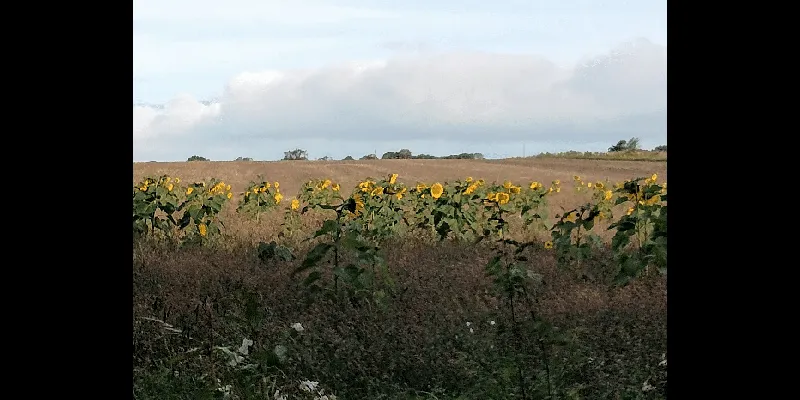
Kazakhstan's Sunflower Pellet Exports More Than Triple in First Nine Months of 2026
Kazakhstan's exports of sunflower husk pellets surged to 63,200 metric tons in the first nine months of 2026, a 3.56-fold increase year-on-year. Export revenue rose by 515% to $3.4 million, driven by demand from Polish power plants using the pellets as biomass fuel.
-
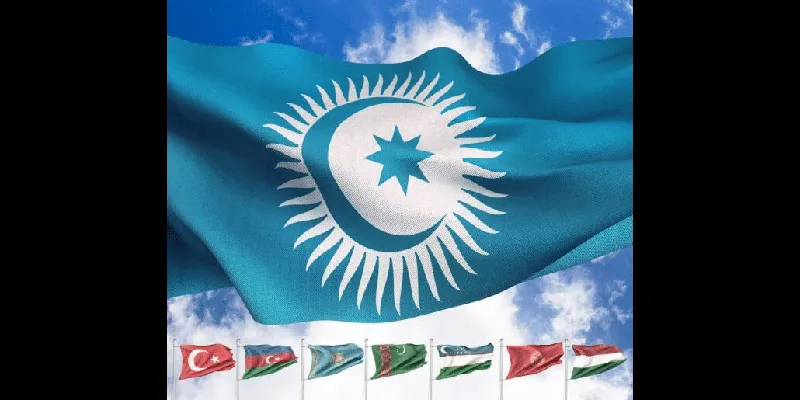
Turkish Official Questions Russia's Eligibility for Turkic States Observer Status
A senior Turkish official has questioned Russia's eligibility for observer status in the Organization of Turkic States (OTS), citing language requirements. The rules, adopted in 2021, mandate that observer countries must recognize a Turkic or related language as a state or official language for nationwide government correspondence. Russia's federal language is Russian, though some regions have Turkic languages.
-
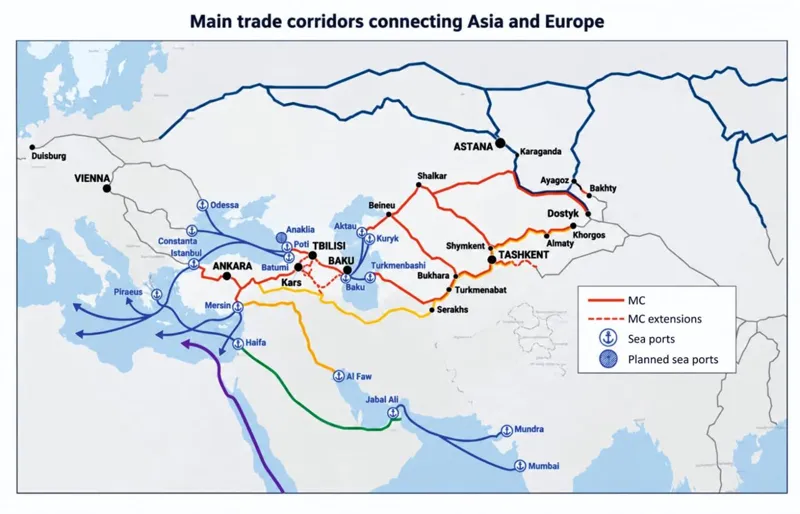
Middle Corridor Needs $55 Billion Investment to Become Economic Corridor, World Bank Says
Developing the Middle Corridor, a route linking China and Europe via Central Asia, requires at least $25 billion for infrastructure and $30.5 billion for complementary projects like logistics centers. The World Bank estimates this could triple Caspian Sea freight by 2040, boosting GDP by 3.3% and creating two million jobs in participating countries.
-
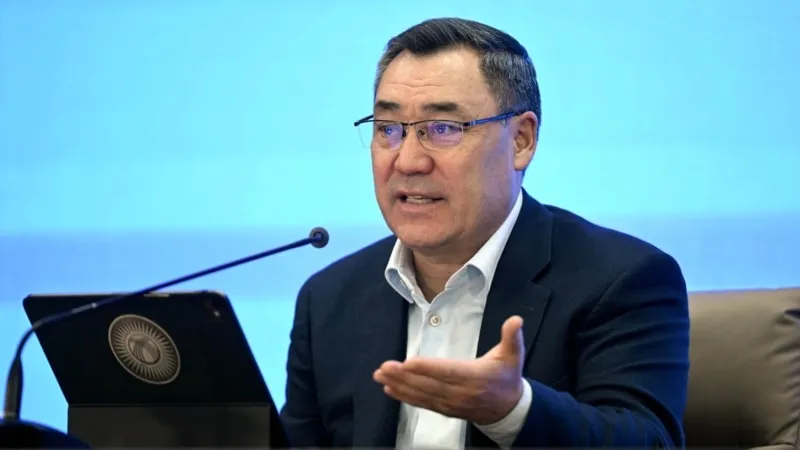
Kyrgyzstan President Considers Ban on Energy Drink Production and Import
Kyrgyzstan's President Japarov has instructed the government to consider banning the production and import of energy drinks due to health risks. He noted significant consumption levels and potential health issues like heart attacks and diabetes. The ban could result in a loss of approximately $17.15 million in tax revenue.
Also covered by Times of Central Asia
-
Uzbekistan Plans to Double Uranium Production by 2030 Amid Rising Global Demand
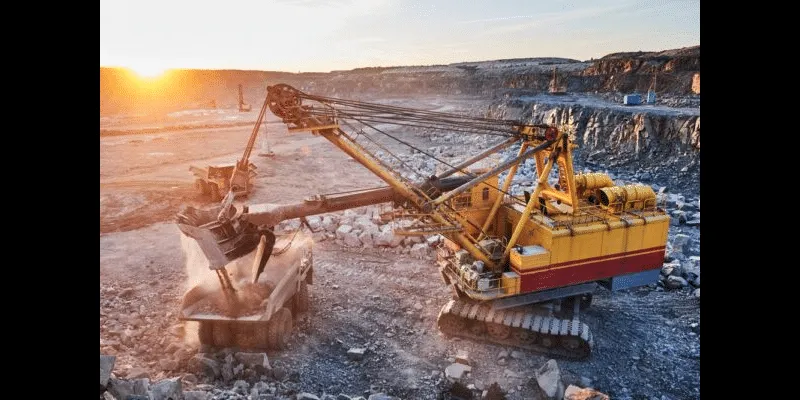
Uzbekistan aims to double its annual uranium production to 15,000 metric tons by 2030, up from an estimated 7,500 tons this year, driven by growing demand for nuclear fuel. The country also plans to expand critical mineral processing for export. This expansion could increase Central Asia's significance in global nuclear fuel markets.
-
Kazakhstan: Three More Individuals Added to Political Prisoner List
Three more individuals have been added to the list of political prisoners in Kazakhstan. These include former priest Iakov Vorontsov, activist Gulnaz Serikbaeva, and activist Nurzhan Sembaev. Human rights defenders cited their activism and criticism of state actions as reasons for their designation.

-
Russia Increases Migrant Deportations by 50 Percent
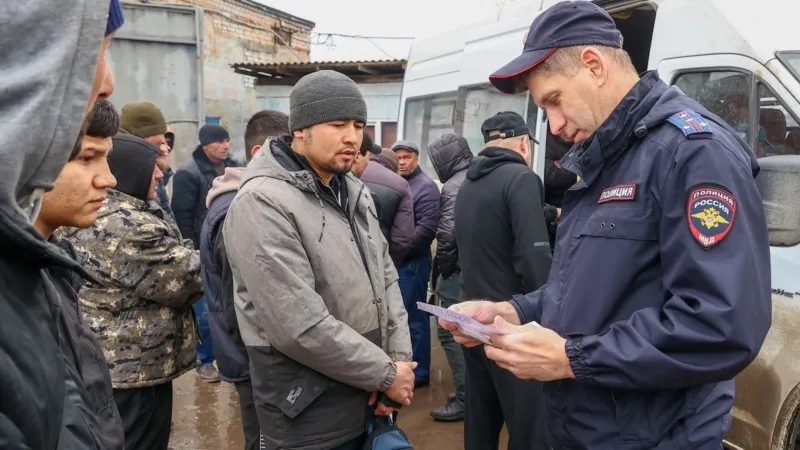
Russia has increased migrant deportations by 50 percent, expelling 63,500 foreign nationals in the first nine months of 2026. The number of entry bans also rose significantly, with over 260,000 imposed in eight months. New legislation expanded grounds for deportation.
-
US Congressman Expresses Concern Over RFE/RL Journalist Accreditation Issues in Kazakhstan
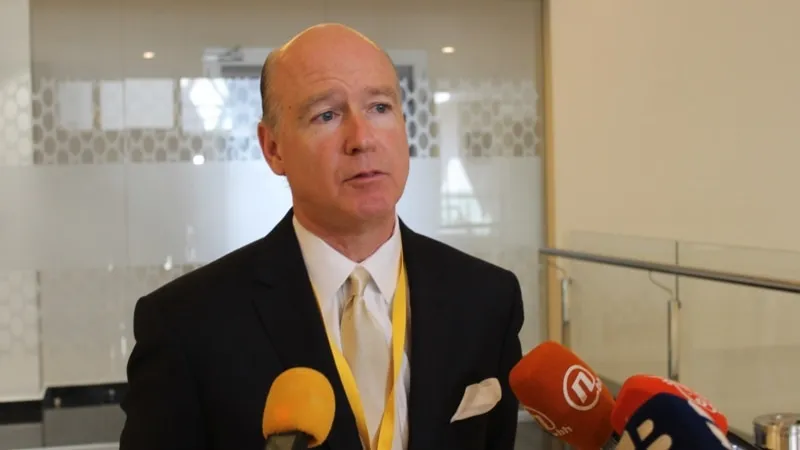
US Congressman Robert Aderholt has voiced concern over Kazakhstan's delays in accrediting journalists from Radio Free Europe/Radio Liberty (RFE/RL). He urged Kazakh authorities to allow RFE/RL correspondents to work freely, emphasizing the importance of US influence in Central Asia and countering China's role in the strategically vital region.
-
Kazakhstan Proposes Russia Join Turkic States Organization Amidst Mixed Reactions
Kazakhstan's President Kassym-Jomart Tokayev suggested inviting Russia to the Organization of Turkic States (OTS), citing historical ties and the presence of Turkic peoples in Russia. While the Kremlin expressed interest, Azerbaijan opposed the move, and Turkey noted potential observer limitations.
-
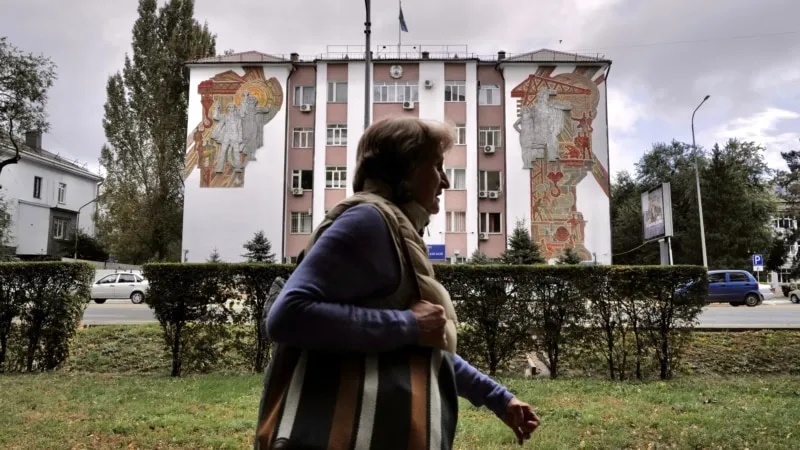
Uralsk: Life in Kazakhstan's 'Western Gateway' City Bordering Russia
Uralsk, Kazakhstan's western gateway, is closer to Russian cities like Samara than to its own regional centers. This report explores how proximity to Russia impacts the lives of residents in Uralsk and five other border cities, as part of a special project on the Kazakh-Russian border.
-
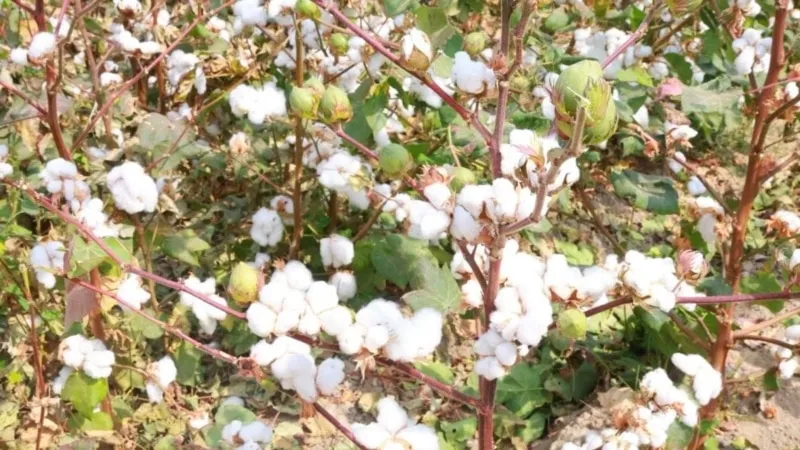
Uzbekistan Achieves Record Cotton Harvest of Over Five Million Tons
Uzbekistan has harvested over five million tons of raw cotton in 2026, a record since its independence in 1991. President Shavkat Mirziyoyev attributed this success to increased yields and mechanization, despite reduced planting areas. Farmers are expected to profit significantly.
Also covered by Times of Central Asia Eurasianet
-
Armenia begins design work on US-backed trade corridor despite pending agreement
Armenian officials have started design work for the TRIPP trade corridor, a project announced with the United States in January. While a preliminary agreement outlined ownership, operational details are still pending. Prime Minister Nikol Pashinyan stated that preparatory work will commence immediately, even before the official incorporation of TRIPP Development.
-
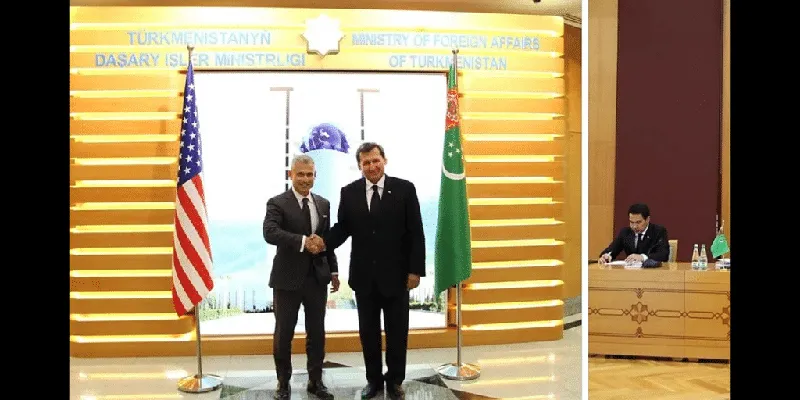
US and Turkmenistan Deepen Economic and Diplomatic Ties with Envoy Visit
The United States and Turkmenistan are strengthening their economic and diplomatic relationship, marked by a visit from a top U.S. diplomat and a business delegation to Ashgabat. Discussions focused on expanding business ties, identifying new partnership opportunities, and U.S. support for the TAPI gas pipeline.
-
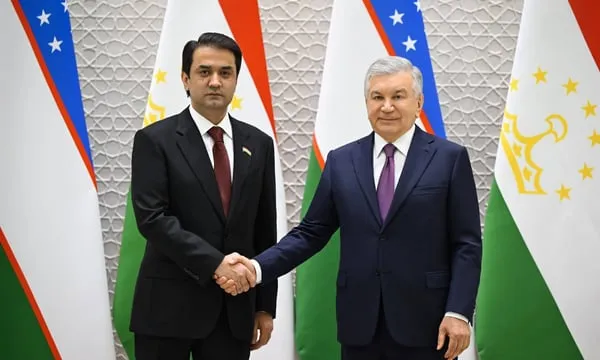
Uzbek President Awards Tajikistan's Rustam Emomali Order for Service
Uzbek President Shavkat Mirziyoyev awarded Rustam Emomali, Chairman of Tajikistan's National Assembly and Mayor of Dushanbe, the Order for Selfless Service. The award recognizes Emomali's contributions to strengthening the strategic partnership between Uzbekistan and Tajikistan and expanding interparliamentary dialogue.
-
US Court Temporarily Blocks Deportation of Afghan Nationals Over Safety Concerns
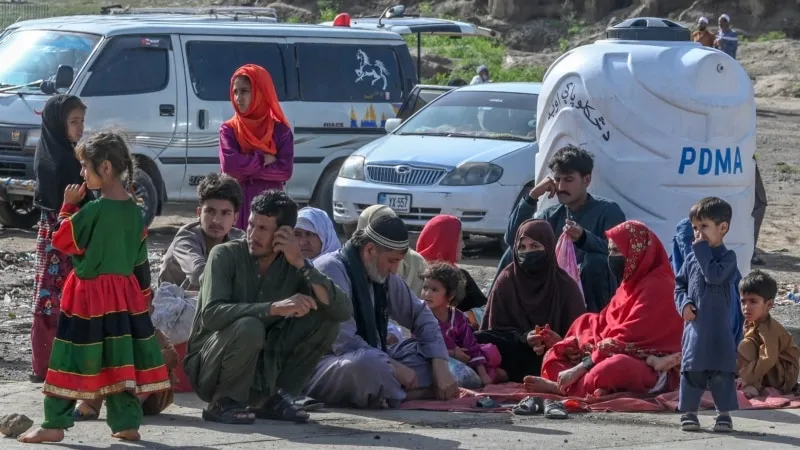
A New York federal judge has temporarily halted the planned deportation of dozens of Afghan nationals, citing concerns that sending them to Afghanistan or Pakistan could endanger their lives. The order prevents deportations until November 7. US Immigration and Customs Enforcement stated there were no immediate deportation flights planned, but future operations were not ruled out.
-
Uzbekistan Cybersecurity Officials Embarrassed by 'White-Hat' Hackers
A group calling themselves the Butterfly collective claims a supposed hack of an Uzbek government database was an exercise to expose cybersecurity flaws. They stated their goal was to improve IT defenses and that no data was stolen, despite possessing the capability. The group aims to combat malicious actors and push officials to better protect sensitive data.
-
US and Turkmenistan Discuss Expanding Energy Cooperation and Connectivity
US and Turkmen diplomats met in Ashgabat to discuss expanding trans-Caspian connectivity and diversifying energy exports. Turkmen officials expressed a strong desire to improve trade ties with South Asia and the West, while maintaining neutrality. Both sides reported optimistic notes on commercial ties, energy cooperation, and regional connectivity, with Turkmenistan highlighting its strategy to diversify energy supply routes.
-
Kazakhstan Aims for 2035 Completion of Two Nuclear Power Plants with Russia and China
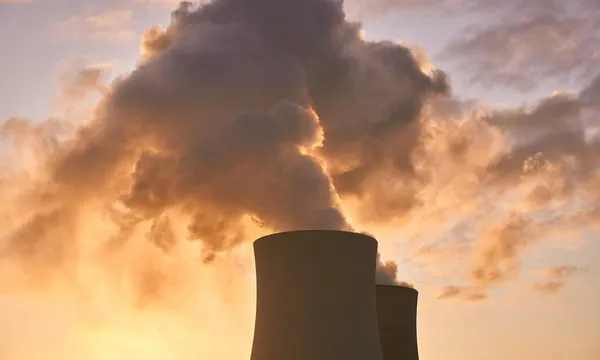
Kazakhstan plans to complete its first two nuclear power plants by 2035, partnering with Russia's Rosatom for the first and China National Nuclear Corporation for the second. Both plants are slated for construction near Lake Balkhash. The country is also considering a third nuclear power plant location. President Tokayev emphasized nuclear power's fundamental importance.
-
China-Kyrgyzstan-Uzbekistan Railway Construction Advances with Tunnel and Bridge Work
Construction on the China-Kyrgyzstan-Uzbekistan railway is progressing, with significant work completed on tunnels and bridges in Kyrgyzstan. Kyrgyz Railways reports that approximately 22% of the total construction is expected to be finished by the end of 2026. The project aims for a 2031 operational launch, potentially earlier.
-
Afghan-Pakistan Conflict Hinders Central-South Asian Trade, Kazakhstan Revises Targets
The ongoing conflict between Afghanistan and Pakistan is significantly hindering trade between Central and South Asia. Kazakhstan has revised its annual bilateral trade turnover target with Pakistan downwards to approximately $645 million, a decrease from earlier optimistic projections. Uzbekistan also faces challenges in meeting its trade goals.
-
Karakalpak Activists Targeted by Copyright Complaints, Silencing Dissent
Karakalpak activists are increasingly facing copyright and other complaints on social media, leading to content removal and profile deactivation. An unknown individual filed fraudulent copyright claims, resulting in the removal of posts. Activists report losing documentation of abuses and civil society work, fearing this weaponization of copyright law silences dissent and erodes evidence.

-
Two Tigers Released Into Kazakh Wilderness After 80-Year Absence
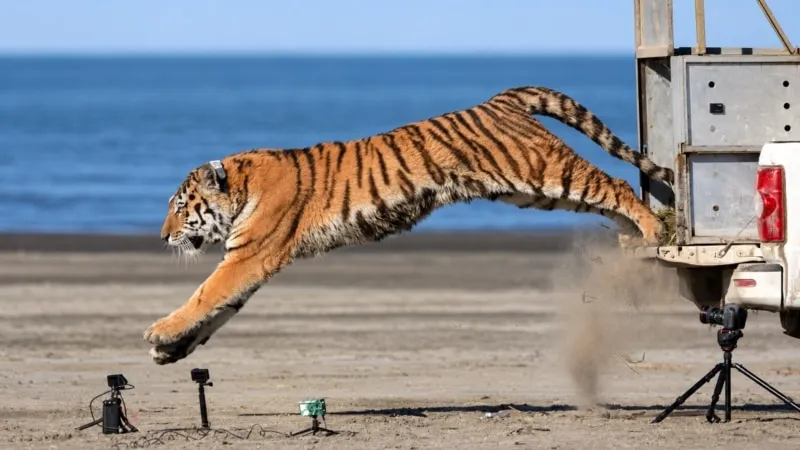
Kazakhstan's Ministry of Ecology and Natural Resources announced the release of two tigers, Amur and Umit, into the Ile-Balkhash State Nature Reserve. The tigers are fitted with satellite-tracking collars, and 'anti-conflict' teams will be dispatched if they approach villages. Local livestock farmers have expressed concerns about the reintroduction.
-
China-Pakistan Information Corridor Launched to Combat Fake News, Critics Fear Censorship
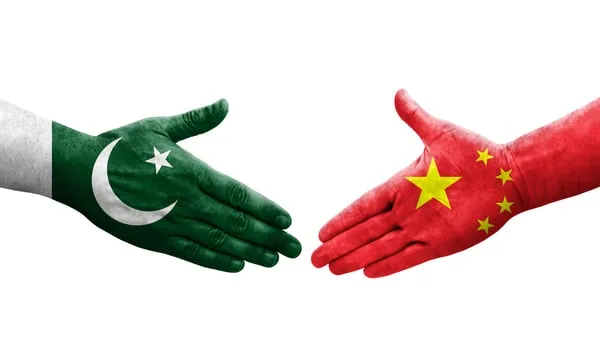
The China-Pakistan Information Corridor (CPIC) aims to counter fake news by fostering collaboration between media organizations and think tanks. Launched by Pakistan's Ministry of Information and Broadcasting and China's Foreign Ministry, critics worry it will enable governments with poor press freedom records to control information flow.
-
China Expands Influence in Central Asia Through University and Lab Partnerships
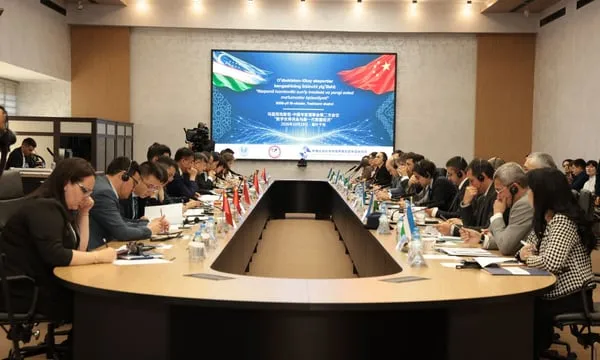
China is deepening its engagement in Central Asia beyond trade routes, focusing on collaborations between universities and laboratories. Uzbekistan and China held a meeting on "Digital Partnership: Artificial Intelligence and the Next-Generation Data Economy," highlighting cooperation in knowledge networks and scientific advancement, which can shape future research and technology access.
-
MEDEF International: Central Asian Countries Seek More Than Just New Suppliers
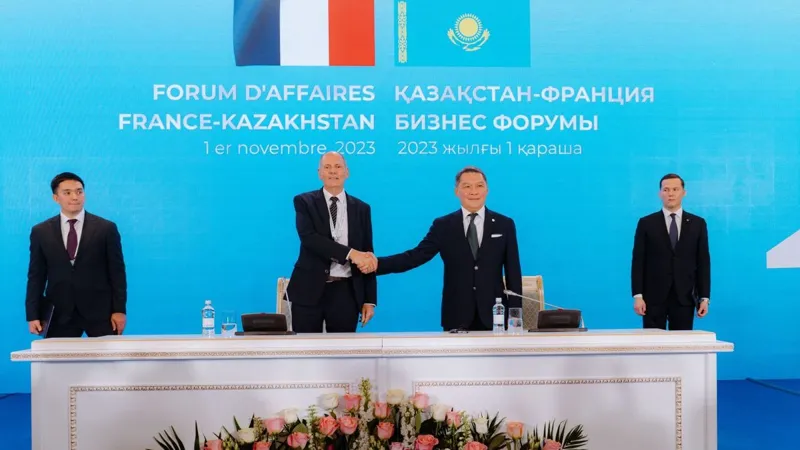
French companies are diversifying their presence in Central Asia beyond traditional sectors like energy and natural resources. Opportunities are growing in water management, transport, technology, and critical raw materials. MEDEF International highlights evolving expectations in Kazakhstan and Uzbekistan and the challenges for French businesses in the region.
-
Uzbekistan Secures Victory at Record-Breaking 46th World Chess Olympiad
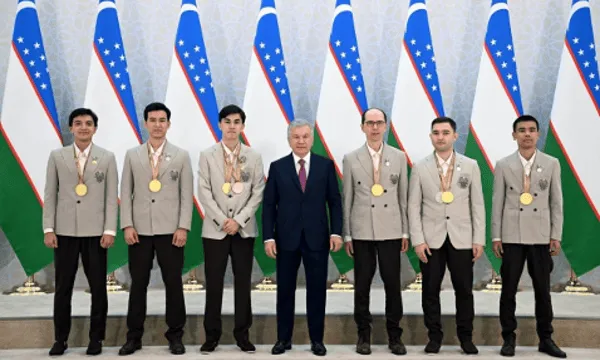
Uzbekistan has won the Open section of the 46th World Chess Olympiad, the largest in the event's history. The team secured gold with a final-round victory over Ukraine, finishing two points ahead of India and Germany. President Mirziyoyev hailed the players as heroes.
-
Türkiye Deepens Cooperation with Central Asian Republics Post-Cold War
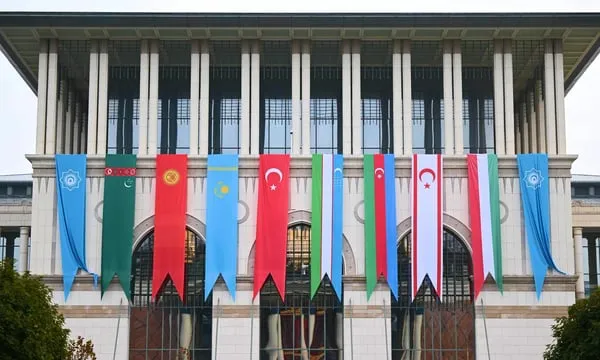
Since the end of the Cold War, Türkiye has actively redefined its relations with Central Asian and Caucasus Turkic republics. Ankara, the first to recognize their independence, now emphasizes regional cooperation, economic interconnectivity, and soft power strategies amid multipolar competition.
-
Central Asia's Economic Potential Hinges on Middle Corridor Development
Central Asia's economic potential is constrained by traditional dependencies on Russia and China. Unlocking it via the Middle Corridor requires significant investment, institutional reforms, and modernized trade regulations. Enhanced Western engagement, particularly from the EU and US, can diversify trade and integrate the region into global markets. Lowering transit costs and ensuring a predictable economic environment are crucial.
-
Azerbaijan Joins Central Asian Cooperation Meeting, Shifting Regional Focus
The Eighth Consultative Meeting of Central Asian Heads of State in Turkmenistan saw Azerbaijan participate as a full member for the first time. The format adopted a Joint Statement and designated Azerbaijan to chair in 2027. This inclusion shifts the geographical focus towards Caspian Sea cooperation, including transportation, energy, and ecology, while maintaining the forum's consensus-based flexibility.
-
Kazakhstan: Rural Women Form Collectives to Address Livelihood Challenges
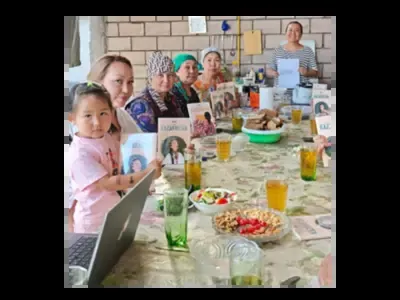
Rural women in Kazakhstan, significantly impacted by climate change, energy deficits, and poor governance, are forming collectives to improve their livelihoods. Facing water shortages and limited access to information, these women are being trained to engage more effectively with the government and calculate the cost of their labor and products.
-
Gilgit-Baltistan: Development Sparks Urgent Questions on Land, Politics, and Economic Benefits
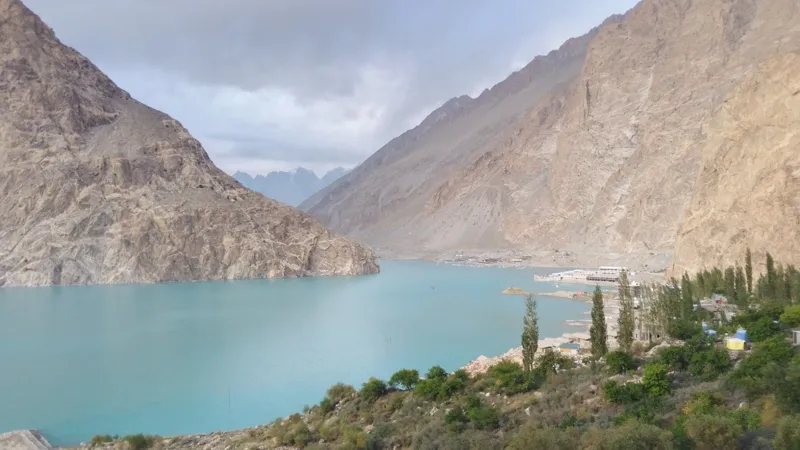
As tourism, infrastructure, and resource interest grow in Gilgit-Baltistan, urgent questions arise regarding land ownership, political representation, and equitable distribution of economic benefits. Researcher Nadia Ali examines land governance, development, and political marginalization, highlighting the region's contested constitutional status and challenges for local communities.
-
World Bank Official Discusses Central Asia's Economic Growth and Transformation Challenges
Najy Benhassine, World Bank Division Director for Central Asia, discusses the region's economic prospects, noting that strong growth and infrastructure projects don't automatically lead to diversified economies or better jobs. He highlights challenges in finance access, skills development, the Middle Corridor, and climate resilience, despite unprecedented international attention and investment.